Car rental berlin – A local guide to low-emission zones, parking and pickup choices
Practical guide for travelers renting a car in Berlin for sightseeing: how low-emission zones work, parking rules to avoid fines, where to pick up and drop off cheaply, and a clear comparison of insurer and fuel policies.
Some links in this article lead to partner services. If you make a purchase there, the site may receive a commission; this does not affect the price or our assessment.
You are in Berlin planning to rent a car for a day or several days of sightseeing. This guide gives the practical steps you need before pick up, explains which neighbourhood and city rules affect driving and parking, compares common insurer and fuel policies so you can decide quickly, and locates the cheapest pickup and drop-off patterns to reduce cost and stress.
Quick-start checklist before you pick up
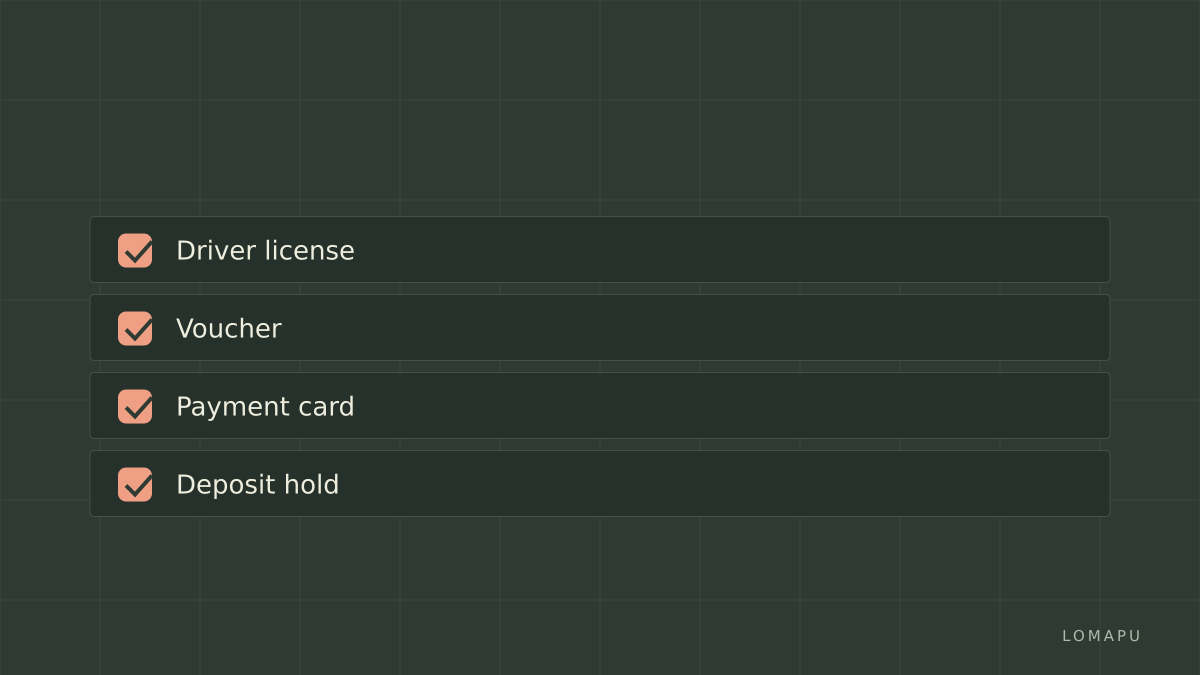
Confirm the exact pickup and drop-off address and opening hours. Many central locations close early on Sundays.
Check whether your driver’s license is accepted in Germany and bring the physical card.
Download or screenshot the rental voucher and the supplier contact number.
Note the vehicle group (small, compact, SUV) rather than the brand; Berlin streets and parking favour small cars.
Have a payment card with enough holdable balance for the deposit.
Low-emission zones (Umweltzone) – what you must know
Berlin operates a low-emission zone for most inner-city areas. Vehicles must display the correct environmental sticker (Feinstaubplakette) to enter the zone legally. Rental vehicles from established providers are usually ready for zone entry, but you must confirm this at booking or pickup.
Steps to avoid a violation:
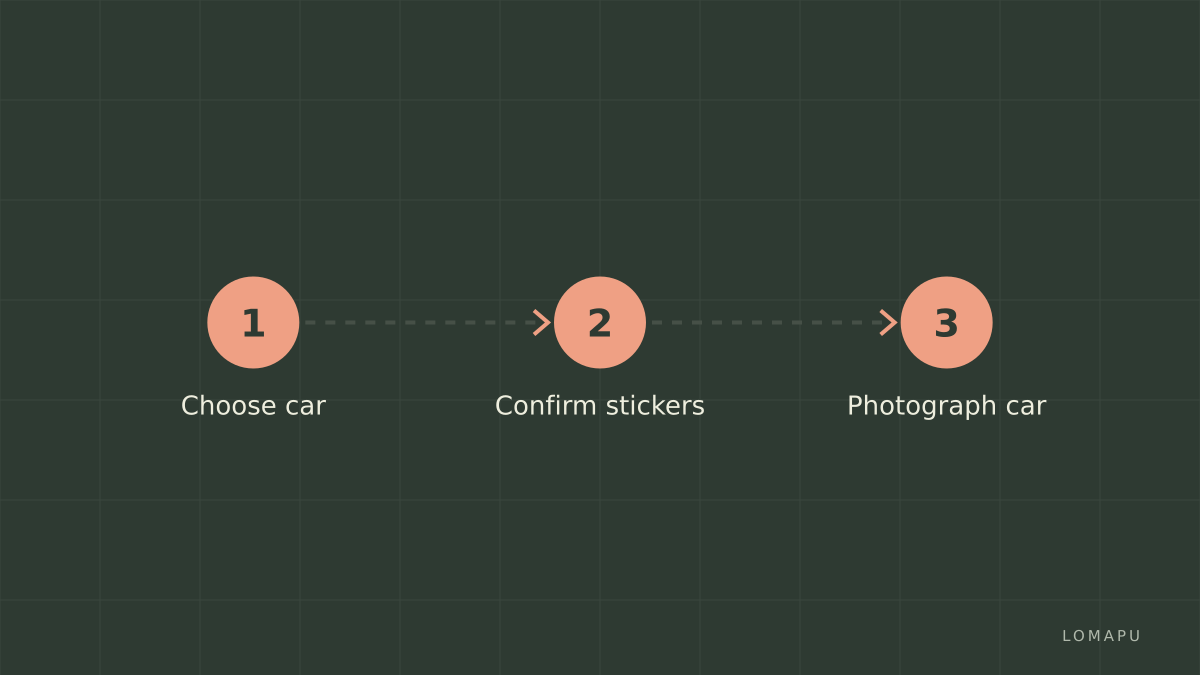
Ask the rental agent whether the car has the required sticker for the Umweltzone.
If not, request a different vehicle or change pickup to a supplier that provides compliant cars.
Map your sightseeing route before driving so you avoid accidental entry into restricted areas late at night.
Important: The city’s official Umweltzone page has details on covered streets and vehicle categories; consult it before you drive. See sources for the official page.
Parking rules and common mistakes to avoid
Berlin parking rules change by neighbourhood. Key rules and practical tips:
Blue zones: limited-time parking for residents and visitors. Use the parking disc displayed visibly and note the allowed duration.
Paid parking (Parkschein): buy a ticket from machines or use local apps; pay attention to machine hours and rate zones.
No-parking and loading zones are strictly enforced; fines and towing are common.
Tram tracks and cycle lanes are active – avoid stopping in or over them.
Private garages and hotel parking may have height or size restrictions; confirm before booking.
Mistakes travelers make
Relying on hotel valet that charges high flat fees without comparing local street rates.
Parking in front of building entrances that look unused; these often have resident permits.
Ignoring signage in German; many signs use pictograms but check local rules listed at the parking machine.
Practical rule: if you cannot find clear legal curbside parking, choose a public garage close to your destination to avoid a fine that will cost more than a short-term garage fee.
Comparing insurer and fuel policies – a decision table
When booking, two choices matter most: the insurance coverage and the fuel policy. Use the table to pick based on your tolerance for risk and time.
Policy type | What it covers | Typical extra cost or exposure | Decision rule |
|---|---|---|---|
Collision Damage Waiver (CDW) – basic | Reduces your liability for collision damage but leaves an excess | Lower daily charge; high excess on small claims | Take it if you want minimal booking cost and accept potential excess |
Super CDW / zero excess | Lowers or removes excess completely | Higher daily rate but minimal out-of-pocket later | Choose if you prefer certainty and drive narrow streets/parking lots often |
Theft Protection | Covers theft of vehicle or parts, may exclude personal items | Small daily fee; watch exclusions | Good if leaving bags in the car or parking overnight |
Third-party liability (included by law) | Covers damage to others | Usually included in base rate | Ensure policy limits are adequate for Germany |
Full-to-Full fuel | Pick up full, return full; you fill locally | Fair: you pay only the fuel you use | Best value if you can refill before drop-off |
Prepaid fuel / Full-to-empty | Pay for tank up front; return empty allowed | Convenience fee often makes it more expensive | Choose only if time pressure makes refueling impractical |
Decision rule examples:
If you plan short inner-city drives and will park in paid garages: prefer Super CDW for peace of mind.
If you are comfortable refuelling and want the lowest booking price: choose full-to-full.
Pickup and drop-off – where to save the most
Pickup and drop-off charges vary by location. Key principles:
Airport locations often charge higher fees but have longer opening hours and more staff.
City-center branches can be cheaper for short rentals but may have limited parking and stricter size rules.
One-way drop-offs between Germany cities may incur high one-way fees.
Common cheap patterns (general guidance):
Choose off-airport branches in outer districts for lower daily rates; confirm pick up logistics and public transit access.
If you must use the airport for convenience and arrive late, compare the total cost including the airport fee and the time saved.
Table – pickup / drop-off spots compared
Location type | Typical pros | Typical cons | Who should pick this |
|---|---|---|---|
Tegel area or inner-neighbourhood offices | Lower location fee, smaller cars available | Limited hours, may require shuttle | Budget travelers staying central |
Berlin Brandenburg Airport (BER) | 24/7 desks, high vehicle availability | Airport surcharge, longer queues | Late arrivals or those with lots of luggage |
Train station or central hub | Good transit connections, easy for tourists | Street parking limited, busy traffic | Day drivers who start in the city |
Suburban branches | Cheapest daily rates | Need public transit to return to city | Multi-day renters who can travel to branch |
Tip: Always ask the supplier about the exact pickup address; some “city centre” locations are outside the ring road and cheaper.
Booking workflow and mistakes to avoid (step plan)
Decide the car size you need – choose the smallest comfortable car for Berlin’s narrow streets and parking.
Compare total price including fees and insurance options. Use clear filters for excess and fuel policy.
Confirm the environmental sticker and opening hours before finalizing.
Photograph the vehicle and meter at pickup; keep a timestamped record.
Refuel as required by your fuel policy and keep the receipt if required.
Common mistakes to avoid
Skipping the vehicle inspection photos at pickup.
Choosing prepaid fuel without checking the price differential.
Ignoring the supplier’s list of excluded damages, such as tyre or windshield damage.
Using DiscoverCars and alternatives
When you compare multiple suppliers, DiscoverCars is a useful aggregator for filtering by insurance level, fuel policy and pickup location. It helps you see alternatives from multiple suppliers in one place and compare the small-print terms. One honest limitation of DiscoverCars is that complex multi-city or cross-border fee structures sometimes require direct confirmation with the supplier after booking. If you prefer different aggregators, consider Rentalcars.com as an alternative.
Before finalizing on any platform, read the rental agreement and contact the supplier to confirm the car has the environmental sticker required for Berlin.
Conclusion and final checklist
Confirm environmental sticker, pickup address and opening hours.
Choose the fuel policy that fits your schedule: full-to-full for best price, prepaid for convenience if willing to accept the fee.
Prefer small cars for parking and tight streets.
Photograph the car at pickup and keep receipts at drop-off.
Use DiscoverCars to compare options quickly, but verify complex terms with the supplier directly.
Sources