Qustodio login – 3 checks before you sign in (families)
Quick decision guide for "qustodio login": how the account and device links work, one concrete step to avoid locked devices, and a comparison table with prices and limits.

Some links in this article lead to partner services. If you make a purchase there, the site may receive a commission; this does not affect the price or our assessment.
Qustodio login uses your parent email and password to create the family account, and each child device is linked by installing the Qustodio app and signing in with the same parent credentials or scanning a device code; a locked device often means the device app lost connection to the parent account, which you can usually fix by reinstalling the child app or resetting the device profile (see Qustodio setup). The Premium plans list device limits and prices on the pricing page; for example, annual plans state device tiers on Qustodio's pricing page Qustodio Premium plans and limits. Below you get a short checklist, a comparison table of options, three usage scenarios, and a step plan that ends with a decision rule.
In short – Key takeaways
Takeaway 1 – Account basics: sign in with your parent email and password; never create separate parent accounts for the same family. Use Qustodio Family Premium plans and limits when you need more than 5 devices.
Takeaway 2 – Device linking: install Qustodio on each child device and sign in with the parent account or use the device pairing code; if a device shows as offline, reinstall the child app following Qustodio setup.
Takeaway 3 – Password and recovery: set a strong password and enable an email you can access; recovery requires that email and the original device.
Takeaway 4 – One limitation: Qustodio has no unlimited free tier; consider Bark as an alternative for broader social media monitoring without the same device-based pricing.
How does Qustodio login and device linking actually work?
Parent accounts start with an email and password created at signup; that parent credential controls profiles and rules. Child devices are added by installing the Qustodio child app and authenticating with the parent account or entering a device pairing code generated during setup (source: Qustodio get started page). If the child device shows "offline", the common fixes are reinstalling the child app, ensuring the device has internet, or verifying the parent password hasn't changed. Use the parental app on Android, iOS, Windows, macOS, or the web dashboard; some functionality differs by platform, so check the product pages on Qustodio Premium plans and limits before assigning devices.
Quick comparison: options when you need parental controls now
Option | Who it suits | Key number | Main drawback |
|---|---|---|---|
Qustodio Premium (Multi-device tiers) | Families with 3–15 devices | Device tiers listed on pricing page; choose based on device count (see Qustodio pricing) | No free unlimited tier; cost rises with devices |
Qustodio Free (limited features) | Parents testing basic web filtering | One device limit for full features; free tier has reduced features | Limited features and device count |
Bark (alternative) | Parents focused on social media and message monitoring | Covers many social platforms; pricing per child | Social monitoring focus, different pricing model |
Each Qustodio option links devices and rules to the same parent account; consult Qustodio Family Premium plans and limits for current device tiers and exact prices.
Which scenario fits your daily task: three common setups
Scenario A – Single child, one phone and tablet: create one parent account, use Qustodio Free to test basic web filtering, and add the tablet as the same child profile; if you plan more than one device, pick the smallest Premium tier on the pricing page. Scenario B – Two children with mixed devices (phones, Chromebook, Windows laptop): buy the Multi-device Premium tier that covers at least the total device count; add each device with the child app and name profiles to match children so rules apply correctly. Scenario C – Extended family or shared devices: create distinct child profiles per person and avoid sharing child device credentials; use unique device names in the dashboard and check the install guide for browser extensions and macOS permissions before deployment.
Step plan – get everyone logged in and avoid locked devices
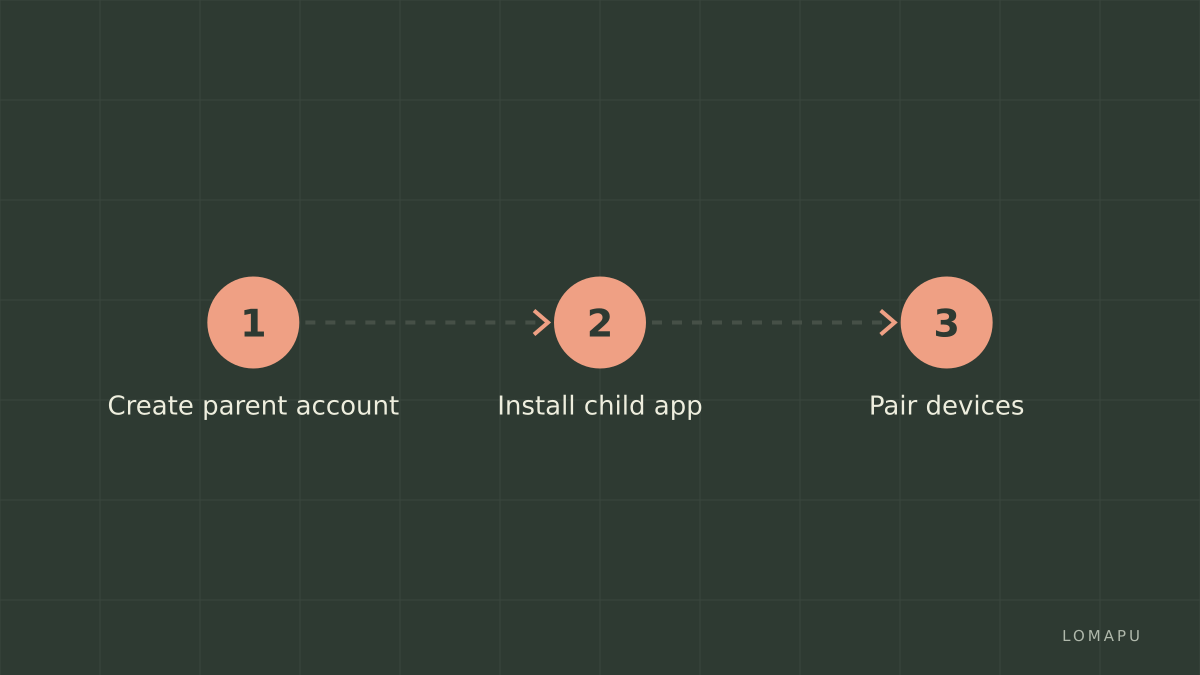
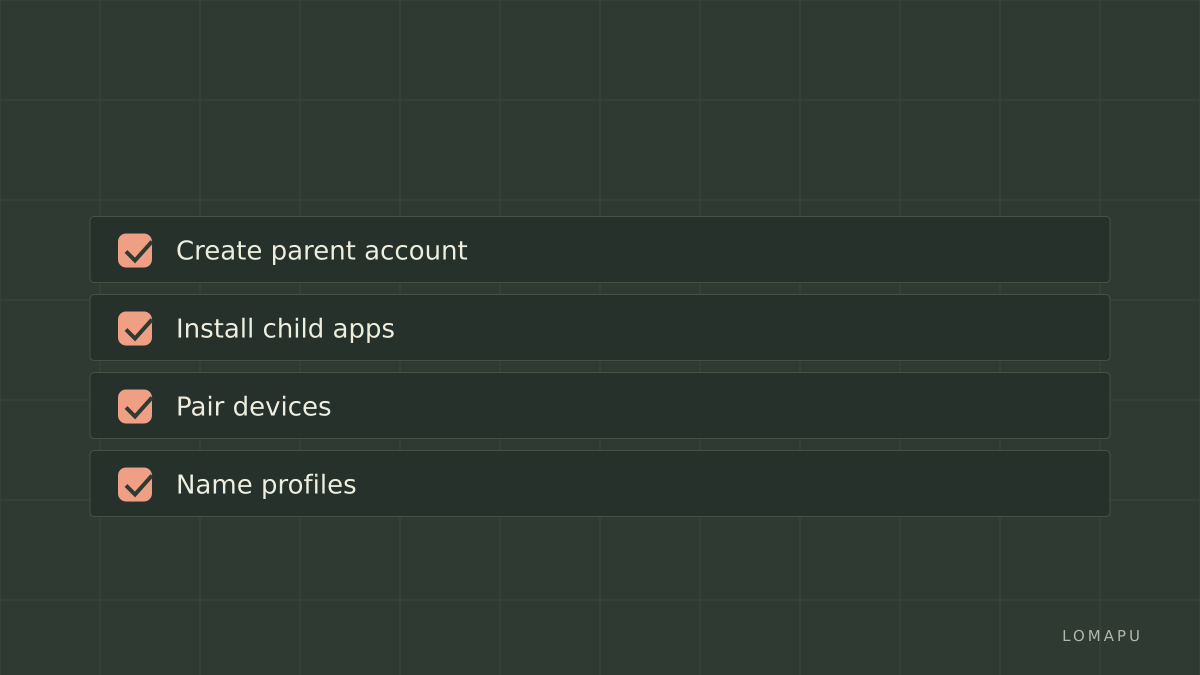
Create the parent account with a long password and a working recovery email (use the sign-up page).
On each child device, install the Qustodio child app or desktop agent from the official download links and sign into the child install using the parent credentials or pairing code (source: get-started).
Name each device and assign it to the right child profile in the web dashboard; configure time limits, rules, and web filters per profile.
Test one device for online/offline state: put the child device on Wi-Fi and confirm the dashboard shows online; if offline, reinstall the child app and re-pair the device.
Set an admin email and record the parent account password in a password manager; if you lose access to that email, account recovery is limited.
Review device counts against the Premium tier limits on the pricing page and upgrade if needed.
Common mistakes to avoid with qustodio login and setup
Creating multiple parent accounts for the same household; this fragments device management.
Installing the child app but not granting required permissions; missing permissions stop location and screen-time rules.
Using a temporary email for the parent account; recovery needs that email to reset the password.
Assuming the free tier covers multiple devices; check device limits on the Qustodio pricing page before deploying.
FAQ about qustodio login
Q: Can multiple parents manage the same Qustodio account? A: Yes, you can add family managers using the parent dashboard; they sign in with their own emails after being invited, which keeps a single family account but allows delegated access.
Q: What happens if a child device goes offline frequently? A: The child device will not report activity while offline; common fixes are verifying internet, reinstalling the child app, and confirming the app has background permissions. Use the device reinstall steps on Qustodio's help pages.
Q: Is there a single sign-on (SSO) option for qustodio login? A: Qustodio primarily uses email/password for the parent account; enterprise SSO is not the typical consumer flow. For managed deployments, consult Qustodio support for business or education setup.
Q: How do I change the parent email used for qustodio login? A: Update the account email in the account settings in the web dashboard and confirm via the new email; keep the original email active until the change is confirmed.
Q: Can I use the same Qustodio parent account across countries? A: Yes, the parent account is global; price and payment methods can vary by region, so check the regional pricing on the Qustodio site.
Decision rule: If you need monitoring for more than three devices or mixed desktops and mobiles, choose a Qustodio Premium tier that covers your device count; otherwise test the free tier and upgrade only when the device limit or features constrain your daily task. Link final check to Qustodio Family Premium plans and limits.
Sources
https://www.qustodio.com/en/pricing/
https://www.qustodio.com/en/get-started/
https://www.qustodio.com/en/help/